A River City of Rowhouses
Camden sits on the Delaware River across from Philadelphia, and it is shaped by water on three sides: the Delaware along the waterfront, the Cooper River through the city, and Newton Creek on the southern boundary. Nearly 14 percent of its 10.3 square miles is water, and its elevation is only about 16 feet. About 71,800 people live here in more than 27,000 housing units.
Prime Environmental NJ LLC provides independent mold inspection and mold testing in Camden, New Jersey. We assess moisture, take air and surface samples, interpret laboratory results and verify remediation. We provide testing and inspection only. We do not perform mold remediation. Call (732) 242-1042 to schedule.
Independent Mold Inspection and Testing in Camden, NJ
Prime Environmental NJ LLC serves homeowners, buyers, landlords and property managers in Camden, Camden County, with independent mold inspection and testing. We specialize in mold inspections, mold testing, indoor air sampling, surface sampling, laboratory-based mold analysis and post-remediation mold verification.
Prime Environmental does not remediate or remove mold, and we do not sell mold cleanup. Should remediation be recommended, you can hire a separate contractor of your choice. Because our testing is separate from cleanup work, our role stays limited to assessment; that structure does not guarantee any specific outcome.
Reasons for a mold assessment in Camden can include:
- Roof leaks
- Plumbing leaks
- Suspected mold growth
- Musty odors that do not go away
- Basement moisture
- Attic moisture concerns
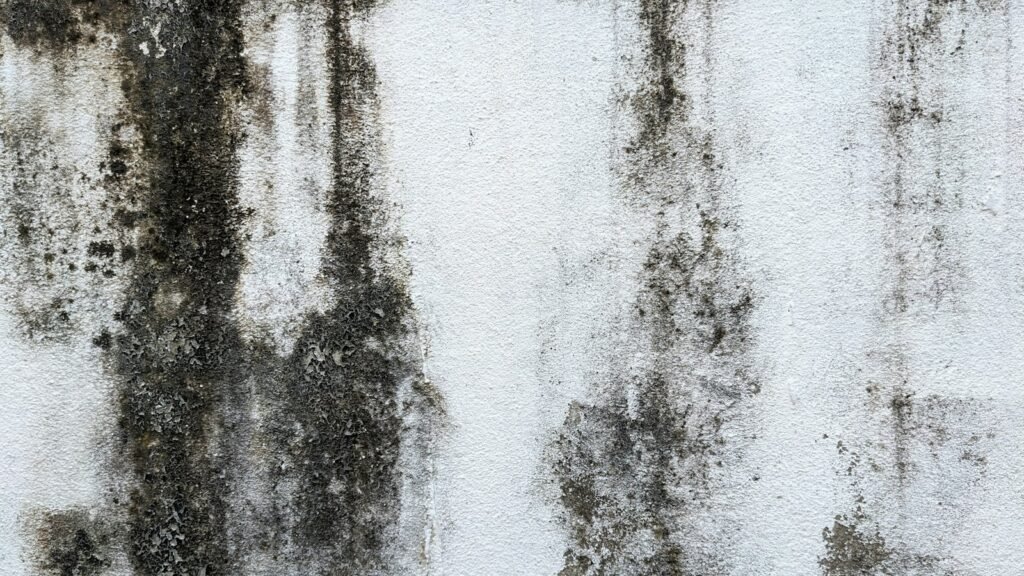
We evaluate the conditions relevant to your concern and collect samples only when testing is warranted. Mold should not be diagnosed solely from photographs or visible discoloration.
How Mold Testing Works With Prime Environmental
- Initial consultation: we start by talking through what you have noticed, where, and why you want testing.
- Inspection of accessible areas: relevant accessible areas are reviewed and observable conditions documented, including potential moisture concerns where they are within the inspection scope.
- Outdoor reference air sample: an outdoor air sample may be collected when appropriate to give reference information for comparing indoor results.
- Indoor mold air sampling: an indoor air sample is collected from a room or area of concern under the agreed sampling plan.
- Surface sampling: a particular surface may be sampled with a swab, tape lift or another suitable method when that makes sense.
- Additional rooms: more rooms or areas may need more samples, depending on the property and your concerns.
- Independent laboratory analysis: samples are submitted to an appropriate independent laboratory.
- Results and findings: we provide the agreed reporting and explain what the findings indicate, along with their limitations.
No single air or surface sample can establish that mold is completely absent from a building, and not every inspection includes every sample type.
Local Guide for Camden Property Owners, Part 138
Questions about your property? Call (732) 242-1042. Prime Environmental NJ LLC performs independent inspection and testing only and does not perform remediation.
How a Mold Inspection in Camden Starts
The visit begins with questions, not equipment. We ask where you noticed a smell, stain or symptom, when it began, whether it changes after rain or when the heat or air conditioning runs, and whether there has been any leak, flood or past repair. These answers shape where we look first. We then walk the property in a consistent order so nothing is missed: exterior and drainage, living areas, bathrooms and kitchens, basement or crawl space, attic and mechanical equipment. Photographs and moisture readings are logged as we go, so your written report can point to exact locations instead of general statements. Homeowners in Camden often tell us the inspection was the first time anyone explained why a problem kept returning, and that clarity is the main goal of the visit.
Buying or Selling a Home in Camden
Real estate transactions in Camden County often reveal moisture issues late in the process. Buyers can request a mold inspection with sampling to understand a musty basement, stained ceiling or inspection-report comment before closing. Sellers can order an inspection to document conditions and correct problems in advance. Our reports are written clearly enough to share with agents, attorneys and contractors. We do not guarantee any particular result, and sampling reflects conditions at the time of the visit, but a documented inspection can reduce surprises and support better decisions.
Lead Paint Inspection and Testing
Homes built before 1978 may have lead-based paint, and renovation, sanding or scraping can create hazardous dust. We can test painted surfaces in Camden homes and report whether lead is present, which helps with renovation planning, rental compliance and decisions about children’s spaces. Testing is especially useful before mold-related repairs that involve opening walls or replacing trim and windows. We provide written results and explain what they mean, and we remain independent from any contractor who might do the work.
Post-Remediation Verification and Clearance
If a remediation contractor cleans mold in your Camden property, an independent clearance inspection confirms the job met its goal. We perform a visual inspection of the work area, check that moisture has returned to normal levels, and when appropriate collect air or surface samples to compare with outdoor conditions or with unaffected areas. A written clearance report documents the findings. Because Prime Environmental NJ LLC does not perform remediation, we have no financial interest in the outcome of the cleanup. The verification stands on its own as a third-party record.
Mold Types Laboratories Commonly Report
Laboratory reports often name genera such as Aspergillus, Penicillium, Cladosporium and Stachybotrys. Cladosporium is common outdoors, while Penicillium and Aspergillus are common both indoors and outdoors. Stachybotrys is more often associated with persistently wet cellulose materials such as drywall paper. A genus name alone does not determine risk, and we avoid alarm. We look at which types are present, how they compare with outdoor air and whether the conditions in the building explain them. Our report for Camden clients explains this in everyday language.
Crawl Space Evaluation
A crawl space is a small, damp room under the house that most owners rarely visit. We check for exposed soil, vapor barrier condition, standing water, insulation that is wet or falling, ductwork that sweats, plumbing leaks and foundation vents. We also look at joists and subfloor for staining or soft wood. Humid air entering a cool crawl space in summer can condense on surfaces, which is why humidity measurements matter as much as visible conditions. In Camden homes with crawl spaces, we document conditions with photographs so you can compare them over time and see whether any changes you make are working.
Moisture Mapping: Finding the Source Before Sampling
Mold needs moisture, so the most useful question in any Camden home is where the water is coming from. A pin or pinless moisture meter shows how wet drywall, wood and plaster are, and thermal imaging reveals temperature differences that often mark damp areas behind finishes. We scan walls, ceilings, floors around tubs and toilets, window sills, exterior corners and areas below roof penetrations. Readings are recorded and compared with dry reference spots in the same room. When a reading is high we trace it: plumbing, roof, window, foundation, condensation or humidity. Locating the source is what lets a repair last. Sampling without finding the source can only describe a symptom.
Understanding Your Laboratory Report
Laboratory reports list spore types and counts, but numbers alone do not tell a homeowner what to do. Our written report translates them. We explain each organism in plain language, note whether the types are commonly associated with water damage, compare indoor with outdoor data and connect everything to the moisture readings and visual findings from your Camden property. We state our conclusions clearly and note the limits of sampling, since a single snapshot cannot capture every condition. You receive the original lab data, photographs and a prioritized summary of what the findings suggest, so you can decide with confidence what to do next.
Windows, Doors and Building Envelope
Water enters buildings at joints and penetrations. We look at window flashing, caulk, sill pans, door thresholds, siding transitions, chimney flashing and deck ledger connections. Stains on interior window sills, swollen trim and peeling paint around openings often indicate leaks. In Camden we also consider wind-driven rain, which can force water into small gaps during storms. Finding and recording these entry points helps owners and contractors fix the cause rather than repeatedly clean the symptoms.
Air Sampling for Mold Spores in Camden
Air sampling collects a measured volume of air through a laboratory cassette. We take samples in the area of concern, in at least one other area of the home for comparison and outdoors, because mold spores are always present in outdoor air in Camden County. A laboratory identifies and counts the spores. We then compare indoor and outdoor results by type and by amount. Higher indoor counts of types that are not as prevalent outdoors can suggest a hidden or active indoor source. Results that mirror the outdoor sample usually mean the indoor air is similar to outside. Because spore counts fluctuate, air sampling is one piece of evidence that we weigh alongside moisture data and visible findings.
Surface and Bulk Sampling Explained
When something looks like mold on a wall, ceiling, basement beam or closet shelf in Camden, a surface sample can confirm what it is. Tape lifts press clear tape against the surface and are viewed under a microscope. Swabs collect material from textured or damp areas. Bulk samples take a small piece of material when needed. The laboratory reports what organisms are present and roughly how much. Surface sampling answers a different question than air sampling: it tells you what is growing on a specific spot, which can matter for dirt, soot or mildew that looks like mold but is not. We place sample locations on a simple diagram in your report.
Small Commercial and Office Spaces
Businesses in Camden can experience mold in storage rooms, restrooms, break rooms and spaces affected by roof or HVAC leaks. We inspect offices, shops, medical suites, restaurants and similar occupied small commercial spaces during normal hours or on schedules that minimize disruption. Our work includes moisture mapping, air sampling and surface sampling, and the report is written so managers and owners can use it for planning. Like our residential work, commercial inspections are independent, and we do not perform remediation.
Controlling Indoor Humidity
Relative humidity is one of the simplest and most useful numbers in a mold investigation. Many building scientists suggest keeping indoor relative humidity roughly between 30 and 50 percent, and mold growth becomes more likely when levels stay above about 60 percent. We record humidity and temperature during the visit and discuss patterns such as summer dampness in basements or winter condensation on windows. Helpful measures can include dehumidifiers sized for the space, exhaust fans used during and after showers, sealing air leaks and keeping gutters clear. A small humidity monitor costs little and gives Camden homeowners ongoing feedback between inspections.
What to Do Before and After the Inspection
Before our visit, avoid cleaning or disinfecting visible growth because that can change what we find. Keep windows and exterior doors closed for several hours before sampling, run HVAC normally and clear access to attic hatches, crawl spaces and basement areas. After the inspection, keep our report and photographs with your home records. If repairs are made, take dated photographs and keep invoices. A follow-up moisture check or clearance inspection can confirm that the work succeeded, which is especially valuable for Camden owners planning to sell later.
Symptoms, Smells and When to Test
People often ask whether to test because of a smell or symptoms. A persistent musty odor, visible discoloration, past water damage or symptoms that improve when you leave the building are all reasonable reasons to schedule an inspection. Mold can aggravate allergies and asthma in some people, and anyone with health concerns should speak with a physician. Testing cannot diagnose health conditions, but in Camden it can identify whether a building has moisture and mold conditions that deserve attention. We explain findings carefully without exaggerating or minimizing risk.
Insurance Documentation and Records
After water damage, documentation helps. Our moisture readings, photographs, sample locations and laboratory results create a dated record of conditions at your Camden property. We do not make insurance decisions and cannot promise how a claim will be handled, but organized, measurement-based documentation is easier for insurers, adjusters and contractors to review than general descriptions. Keep our report, repair invoices and follow-up clearance results together in one file.
Preventing Mold After a Problem Is Fixed
Prevention comes down to controlling water. Keep gutters and downspouts clear, grade soil away from the foundation, repair roof and plumbing leaks promptly and dry wet materials within 24 to 48 hours. Use exhaust fans in baths and kitchens, keep humidity in a comfortable range and avoid storing cardboard directly against basement walls. Check windows and sills for condensation in winter. Many Camden County homeowners find that a seasonal walk-through checklist catches small problems early, long before they need testing.
Scheduling an Inspection in Camden
Scheduling is simple. Call (732) 242-1042 and tell us about the property, what you have noticed and any urgent concerns. We will discuss what an inspection includes and arrange a time. Most residential visits take a few hours, depending on the size and complexity of the building. We serve homeowners, buyers, sellers, landlords and businesses throughout Camden County, and we provide a written report after the laboratory returns results. Remember that we do independent inspection and testing only and do not perform mold remediation.
Rowhouses and Shared Walls
Rowhouses are the most common home type in Camden, much like those in Philadelphia. Attached housing has particular moisture behaviors worth understanding before an inspection.
- A roof leak or failed flashing on one house can reach the neighbor
- Shared party walls can carry moisture between units
- Basements are often below grade, with limited ventilation
- Long rows have shared drainage and downspout problems
- Vacant neighbors can leave a house with no heat and no one to notice a leak
The 2020 census found 11.9 percent of Camden’s housing units vacant. A vacant rowhouse next door that is open to the weather or has a failed roof can affect an occupied one. We document what we see on your side of the wall, and we do not enter adjacent properties without the owner’s permission.
Low Ground, Rivers and Basements
At about 16 feet above sea level and with the Delaware, Cooper and Newton Creek on its borders, Camden has low-lying neighborhoods where groundwater, tidal influence and heavy rain can all matter. We do not have verified flood-zone data for individual streets, so we do not make claims about it. Your property’s flood history is best learned from your own records and public flood maps.
What we can do is look for the signs: efflorescence on foundation walls, damp or stained block, a musty smell that gets worse after rain, and rusted or stained fixtures in the lower level. Then we measure and sample.
Neighborhood by Neighborhood
Camden has more than 20 recognized neighborhoods, including Cramer Hill, Fairview, Parkside, Waterfront South, Liberty Park, Morgan Village, Centerville and Pyne Point. Fairview contains the historic Yorkship Village, a federally funded planned community built for working-class residents. Different neighborhoods have different building types and ages, so we do not apply a single template. We inspect what is in front of us.
Hospitals, Universities and Institutional Buildings
Education and healthcare make up about 45 percent of the city’s employment, with Rutgers–Camden, Rowan University at Camden, Cooper University Hospital and Virtua Our Lady of Lourdes among the major institutions. Our work is residential and small-commercial indoor air and moisture assessment. If you manage a building in this area, we can assess moisture and sampling in office, retail and small institutional spaces.
What to Expect From an Inspection
Before we arrive
Note when you first saw or smelled something, any known leaks or flooding, and any repairs already done. Photos are useful.
On site
We walk the affected area, check for visible growth and water staining, take moisture readings and use thermal imaging where it helps.
Sampling
Air samples are collected inside and outdoors, and surface samples where growth is suspected. A laboratory analyzes them.
Report
You get a written report with observations, laboratory results and a clear statement of what the evidence supports.
Landlords, Tenants and Buyers
In a city where many residents rent, an independent record of conditions can be the difference between a disagreement and a resolved problem. Landlords can document the state of a unit before a new tenancy or after repairs. Tenants can document conditions they are concerned about. Buyers can sample basements and attics before closing. We report to whoever hires us, and we do not provide legal advice.
Verification After Remediation
After a licensed contractor completes remediation, we can return to sample the area independently. The plan is agreed in advance. We do not perform remediation.
Nearby Communities
We also serve Pennsauken, Collingswood, Haddonfield and Cherry Hill. See our mold testing page for all areas.
Camden Mold Testing FAQs
Can you test one rowhouse in a row?
Yes. We test your unit and note conditions that appear to come from a shared roof, wall or drain.
Is a vacant house nearby a risk to mine?
It can be if it is leaking or open to the weather. We document your side; we cannot enter other properties without permission.
Do you test commercial buildings?
Yes, small commercial and office spaces.
Do you remove mold?
No. Testing and inspection only.
Do you give legal or medical advice?
No.
Schedule Mold Testing in Camden
Call (732) 242-1042 to book an inspection. Prime Environmental provides testing and inspection only, with no mold remediation.
Contact Prime Environmental NJ LLC
Phone: (732) 242-1042
Service Area: Camden, Camden County, NJ
Services: Mold Inspection • Air Sampling • Surface Sampling • Moisture Assessment • Post-Remediation Verification
Testing only — no mold remediation.
There is no single test plan that fits every building. In Camden, we build the sampling plan around your concern, the age and layout of the space, and what we can reasonably access during the visit.
Independent Post-Remediation Mold Verification
After a separate remediation contractor completes the work, Prime Environmental can perform an independent assessment. That can include reviewing the areas covered by the assessment, evaluating accessible conditions, considering moisture-related concerns, collecting appropriate air or surface samples, reviewing the laboratory findings, and explaining the results in relation to the project scope.
Having someone other than the remediation contractor evaluate the result can be useful to owners, buyers and property managers. We do not promise that a property will pass, or that it is completely free of mold.
Understanding Mold Sampling and Laboratory Results
- Surface samples evaluate material collected from a particular surface.
- Air samples collect airborne fungal structures under the conditions present at the time of sampling.
- Outdoor reference samples may provide comparative information about outdoor airborne fungal conditions.
A laboratory report may list fungal categories and quantities, depending on the method used. Those numbers only make sense in context, and sampling has inherent limitations.
Frequently Asked Questions About Mold Testing in Camden
Can I schedule testing online?
Yes. Use our online booking calendar, or call (732) 242-1042 to talk first.
Why is an outdoor air sample collected?
An outdoor sample gives a reference point for comparing indoor results, when sampling is done.
Can mold be present without being visible?
It can. Mold may grow behind walls, under flooring or above ceilings. Air testing by itself cannot reliably rule out hidden growth.
Should I test my house after water damage?
An assessment can be useful when materials stayed wet or odors and staining appear afterward. Testing is not always necessary, and we can talk through your situation first.
Do you remove mold?
No. Prime Environmental specializes in independent testing and assessment, not remediation.
Can Prime Environmental test my attic or basement?
Yes. Accessible areas can be evaluated as part of the agreed scope.
Schedule Professional Mold Testing in Camden, NJ
Prime Environmental NJ LLC
Main Office: 168 Humboldt St, East Rutherford, NJ 07073
Phone: (732) 242-1042
Website: https://primeenvironmental.co/
Online scheduling: calendar.app.google/5Gp9nndjga8NYmyn9
Prime Environmental is based in East Rutherford and travels to customers in Camden and throughout the surrounding area. To discuss testing at your property, call us or book a time online.
Property owners near Camden can also find our mold testing pages for Berlin Township, Brooklawn and Woodlynne.
Schedule mold inspection & testing in Camden
Independent testing and reporting — we don’t perform remediation or abatement. Request a visit online with photos, or call or text us.
Book an InspectionHow the inspection works
- Visual inspection and moisture readings
- Air and surface samples where they will answer a question
- Accredited lab analysis and a written report
Qualifications
Inspections and sampling by Korab Ibrahimaj, who performs Prime Environmental's mold assessments. Samples are analyzed by accredited laboratories.
Other testing in Camden
Mold Inspection & Testing nearby in Camden County
Questions about testing in Camden
Do you serve Camden?
Yes. Prime Environmental provides mold inspection & testing in Camden and throughout Camden County. Call (732) 242-1042 or request a visit online.
Will the same company test and remediate?
No. We are an independent testing company and do not perform remediation or abatement, so our findings are free of any conflict of interest.