Named for the Gibbs Family
Gibbsboro is named for the Gibbs family, who were early settlers from 1706; the area post office, established in 1883, carried the name. The borough was incorporated in 1924 from part of Voorhees Township. About 2,200 people live on 2.2 square miles at 75 feet of elevation, a density of about 1,000 people per square mile. County Route 561 is the main road.
Prime Environmental NJ LLC provides independent mold inspection and mold testing in Gibbsboro, New Jersey. We assess moisture, sample air and surfaces, interpret laboratory results and verify remediation. We provide testing and inspection only. We do not perform mold remediation. Call (732) 242-1042 to schedule.
Mold Testing and Inspection for Gibbsboro, Camden County Properties
Prime Environmental NJ LLC provides independent mold inspections and mold testing for residential and commercial properties in Gibbsboro, Camden County. The services we focus on are indoor air sampling, surface sampling, laboratory-based analysis and verification testing after remediation.
We do not perform mold remediation, remove mold, or sell mold cleanup services. If remediation is recommended, you are free to choose a separate remediation contractor. Keeping testing and assessment separate from the cleanup work is how we operate; it does not by itself guarantee any particular result.
Reasons for a mold assessment in Gibbsboro can include:
- Visible staining or discoloration
- Attic moisture concerns
- Verification after a separate contractor completes remediation
- Musty odors that do not go away
- Basement moisture
- Suspected mold growth
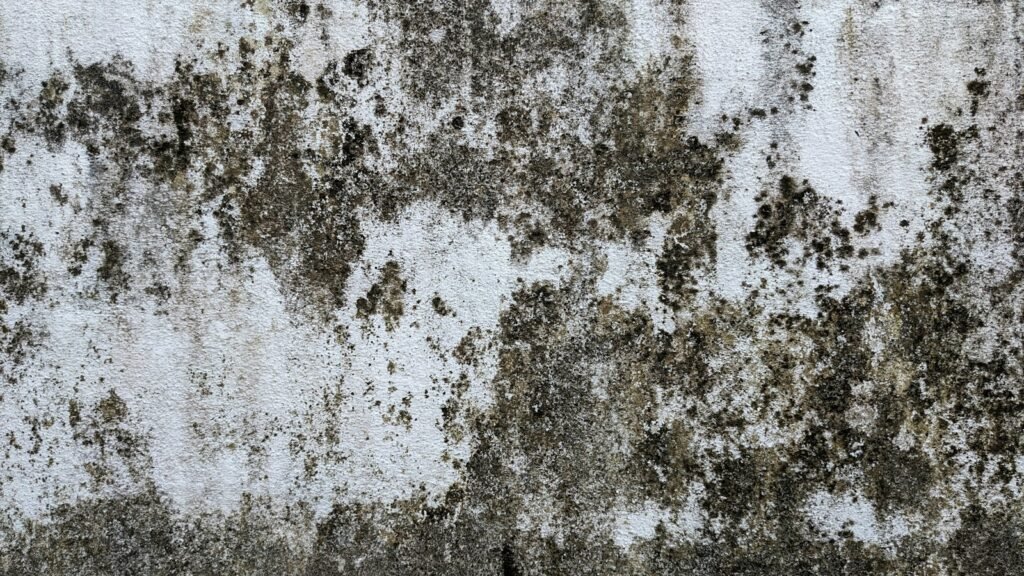
An assessment looks at the conditions that matter for your concern and, where testing is warranted, collects suitable samples. Visual staining or a photograph is not enough to diagnose mold.
How Our Professional Mold Testing Process Works
- Initial consultation: we start by talking through what you have noticed, where, and why you want testing.
- Inspection of accessible areas: relevant accessible areas are reviewed and observable conditions documented, including potential moisture concerns where they are within the inspection scope.
- Outdoor reference air sample: an outdoor air sample may be collected when appropriate to give reference information for comparing indoor results.
- Indoor mold air sampling: air is sampled indoors in a room or area of concern, following the sampling plan we agree on.
- Surface sampling: when appropriate, swabs, tape lifts or other suitable methods are used on a specific surface.
- Additional rooms: depending on the property and what you are concerned about, additional rooms or areas may call for additional samples.
- Independent laboratory analysis: collected samples go to an appropriate independent laboratory for analysis.
- Results and findings: you receive the agreed reporting, and we explain what the analytical findings indicate and what their limitations are.
A single air or surface sample cannot show that a building is entirely free of mold, and an inspection will not necessarily include every type of sample.
Local Guide for Gibbsboro Property Owners, Part 966
Questions about your property? Call (732) 242-1042. Prime Environmental NJ LLC performs independent inspection and testing only and does not perform remediation.
How a Mold Inspection in Gibbsboro Starts
The visit begins with questions, not equipment. We ask where you noticed a smell, stain or symptom, when it began, whether it changes after rain or when the heat or air conditioning runs, and whether there has been any leak, flood or past repair. These answers shape where we look first. We then walk the property in a consistent order so nothing is missed: exterior and drainage, living areas, bathrooms and kitchens, basement or crawl space, attic and mechanical equipment. Photographs and moisture readings are logged as we go, so your written report can point to exact locations instead of general statements. Homeowners in Gibbsboro often tell us the inspection was the first time anyone explained why a problem kept returning, and that clarity is the main goal of the visit.
Insurance Documentation and Records
After water damage, documentation helps. Our moisture readings, photographs, sample locations and laboratory results create a dated record of conditions at your Gibbsboro property. We do not make insurance decisions and cannot promise how a claim will be handled, but organized, measurement-based documentation is easier for insurers, adjusters and contractors to review than general descriptions. Keep our report, repair invoices and follow-up clearance results together in one file.
Asbestos Inspection and Testing Before Renovation
Older buildings may contain asbestos in materials such as pipe insulation, vinyl floor tile and mastic, plaster, roofing and cement products. Mold-related demolition or renovation in Gibbsboro can disturb those materials. Before work begins, we can collect samples from suspect materials and send them to an accredited laboratory for analysis. The results tell you which materials contain asbestos so you can plan appropriately and have the work done by properly qualified professionals. Never break or sand suspect materials yourself before testing.
Windows, Doors and Building Envelope
Water enters buildings at joints and penetrations. We look at window flashing, caulk, sill pans, door thresholds, siding transitions, chimney flashing and deck ledger connections. Stains on interior window sills, swollen trim and peeling paint around openings often indicate leaks. In Gibbsboro we also consider wind-driven rain, which can force water into small gaps during storms. Finding and recording these entry points helps owners and contractors fix the cause rather than repeatedly clean the symptoms.
Water Damage Assessments After Leaks and Storms
After a burst pipe, roof leak, appliance failure or storm in Gibbsboro, the first 24 to 48 hours matter most. Materials that stay wet can support mold growth within days. Our moisture assessment documents how far water traveled, which materials are affected and whether drying is complete. We use meters and thermal imaging to find wet areas that are not visible and record readings so drying progress can be tracked. If growth is suspected, sampling can follow. This documentation is also useful when you communicate with insurers or contractors, because it shows conditions based on measurements instead of impressions.
Crawl Space Evaluation
A crawl space is a small, damp room under the house that most owners rarely visit. We check for exposed soil, vapor barrier condition, standing water, insulation that is wet or falling, ductwork that sweats, plumbing leaks and foundation vents. We also look at joists and subfloor for staining or soft wood. Humid air entering a cool crawl space in summer can condense on surfaces, which is why humidity measurements matter as much as visible conditions. In Gibbsboro homes with crawl spaces, we document conditions with photographs so you can compare them over time and see whether any changes you make are working.
Controlling Indoor Humidity
Relative humidity is one of the simplest and most useful numbers in a mold investigation. Many building scientists suggest keeping indoor relative humidity roughly between 30 and 50 percent, and mold growth becomes more likely when levels stay above about 60 percent. We record humidity and temperature during the visit and discuss patterns such as summer dampness in basements or winter condensation on windows. Helpful measures can include dehumidifiers sized for the space, exhaust fans used during and after showers, sealing air leaks and keeping gutters clear. A small humidity monitor costs little and gives Gibbsboro homeowners ongoing feedback between inspections.
Bathroom, Kitchen and Laundry Moisture
Everyday water use is a large source of indoor moisture. We examine tubs, showers, tile grout, caulk lines, under-sink cabinets, dishwasher and refrigerator lines, washing machine hoses and dryer vents. Bath and kitchen exhaust fans are checked to confirm they actually move air and discharge outdoors rather than into an attic or wall cavity. Small drips behind cabinets can run for months before anyone notices, and mold can grow on the back of drywall where nobody looks. Moisture meters and thermal imaging help us find these hidden spots in Gibbsboro homes without opening finished surfaces.
A Quiet Residential Borough
Gibbsboro had 825 housing units in 2020 with 3.6 percent vacant. It is a low-density borough, and no interstate, U.S. or state highway passes through it. That quiet means many residents commute out, leaving houses empty during the day.
What We Look For
- Roof and attic moisture on houses with dense tree cover
- Basement dampness after storms
- Condensation in rooms that are closed off in winter
- Aging water heaters and washing machine hoses
- Bath fans that terminate in the attic
How an Inspection Goes
We ask what you have noticed, inspect, take moisture readings and thermal images, and collect indoor and outdoor air samples and any surface samples. A laboratory analyzes the samples and we provide a written report.
Nearby Communities
We also serve Voorhees and Lindenwold. See our mold testing page for all areas.
Gibbsboro Mold Testing FAQs
Do you test small boroughs?
Yes, throughout Camden County.
Do you remove mold?
No. Testing and inspection only.
Do you give medical advice?
No. Please speak with a physician about symptoms.
Schedule Mold Testing in Gibbsboro
Call (732) 242-1042 to book an inspection. Prime Environmental provides testing and inspection only, with no mold remediation.
Contact Prime Environmental NJ LLC
Phone: (732) 242-1042
Service Area: Gibbsboro, Camden County, NJ
Services: Mold Inspection • Air Sampling • Surface Sampling • Moisture Assessment • Post-Remediation Verification
Testing only — no mold remediation.
There is no single test plan that fits every building. In Gibbsboro, we build the sampling plan around your concern, the age and layout of the space, and what we can reasonably access during the visit.
Independent Post-Remediation Mold Verification
Once a separate contractor has finished remediation, we can come back as an independent party. The assessment may cover the areas included in the project, accessible conditions, moisture-related concerns, appropriate air or surface samples, review of the laboratory findings, and an explanation of the results in relation to the project scope.
An independent review can give you a documented point of reference after the work is finished. We cannot promise that a property will pass or that it is completely mold-free.
Professional Mold Sampling and Laboratory Results
- Outdoor reference samples may provide comparative information about outdoor airborne fungal conditions.
- Air samples collect airborne fungal structures under the conditions present at the time of sampling.
- Surface samples evaluate material collected from a particular surface.
Depending on the analytical method, laboratory reports may identify fungal categories and quantities. Results need to be interpreted in context, and mold sampling has limitations.
Mold Testing Questions From Gibbsboro Homeowners
Should I test my house after water damage?
An assessment can be useful when materials stayed wet or odors and staining appear afterward. Testing is not always necessary, and we can talk through your situation first.
Can mold be present without being visible?
It can. Mold may grow behind walls, under flooring or above ceilings. Air testing by itself cannot reliably rule out hidden growth.
Can I schedule testing online?
Yes. Use our online booking calendar, or call (732) 242-1042 to talk first.
Can Prime Environmental test my attic or basement?
Yes. Accessible areas can be evaluated as part of the agreed scope.
Do you remove mold?
No. Prime Environmental specializes in independent testing and assessment, not remediation.
What is the difference between mold inspection and mold testing?
An inspection evaluates conditions at the property, such as visible growth, moisture and building materials. Testing collects samples for laboratory analysis. Some situations call for one, some for both.
Schedule Professional Mold Testing in Gibbsboro, NJ
Prime Environmental NJ LLC
Main Office: 168 Humboldt St, East Rutherford, NJ 07073
Phone: (732) 242-1042
Website: https://primeenvironmental.co/
Online scheduling: calendar.app.google/5Gp9nndjga8NYmyn9
We do not have an office in Gibbsboro. Our headquarters is in East Rutherford, and we travel to properties in Gibbsboro and nearby communities. You can call or schedule online to talk through your mold concern.
Property owners near Gibbsboro can also find our mold testing pages for Magnolia, Lawnside and Lindenwold.
Schedule mold inspection & testing in Gibbsboro
Independent testing and reporting — we don’t perform remediation or abatement. Request a visit online with photos, or call or text us.
Book an InspectionHow the inspection works
- Visual inspection and moisture readings
- Air and surface samples where they will answer a question
- Accredited lab analysis and a written report
Qualifications
Inspections and sampling by Korab Ibrahimaj, who performs Prime Environmental's mold assessments. Samples are analyzed by accredited laboratories.
Other testing in Gibbsboro
Mold Inspection & Testing nearby in Camden County
Questions about testing in Gibbsboro
Do you serve Gibbsboro?
Yes. Prime Environmental provides mold inspection & testing in Gibbsboro and throughout Camden County. Call (732) 242-1042 or request a visit online.
Will the same company test and remediate?
No. We are an independent testing company and do not perform remediation or abatement, so our findings are free of any conflict of interest.