Morris Plains is a small borough of just a few square miles in the middle of Morris County, with a commuter rail station, a handful of established residential neighborhoods, and a commercial corridor that follows Route 10 and Speedwell Avenue. The Whippany River passes along its edge, and the borough has a mix of mid-century houses, townhomes, and newer apartment and condominium buildings. Its small size means that nearly every property is close to a main road, a rail line, or a water feature.
Prime Environmental NJ LLC provides independent mold inspection and mold testing in Morris Plains, New Jersey. We offer visual inspections, moisture assessments, air sampling, surface sampling, independent laboratory analysis, and post-remediation verification. We perform testing and inspection only. We do not perform mold remediation, removal, or restoration. Call (732) 242-1042 to schedule.
Professional, Independent Mold Assessment in Morris Plains, NJ
If you own or manage a property in Morris Plains (Morris County), Prime Environmental NJ LLC can assess your mold concern independently. Our work centers on mold inspections, indoor air sampling, surface sampling, independent laboratory analysis and post-remediation verification.
Testing only: we do not remove mold, perform remediation, or offer cleanup services. When a project calls for remediation, a separate contractor handles it. Separating assessment from remediation is our business model, and we do not claim it guarantees unbiased results or any particular outcome.
Common reasons property owners in Morris Plains request an assessment include:
- Verification after a separate contractor completes remediation
- Musty odors that do not go away
- Roof leaks
- Suspected mold growth
- Plumbing leaks
- Attic moisture concerns
The purpose of an assessment is to evaluate the relevant conditions and, when testing is warranted, to collect appropriate samples. Mold cannot be diagnosed from photographs or staining alone.
How Our Professional Mold Testing Process Works
- Initial consultation: we discuss your concerns, the affected areas and the reason for testing.
- Inspection of accessible areas: relevant accessible areas are reviewed and observable conditions documented, including potential moisture concerns where they are within the inspection scope.
- Outdoor reference air sample: an outdoor air sample may be collected when appropriate to give reference information for comparing indoor results.
- Indoor mold air sampling: an indoor air sample is collected from a room or area of concern under the agreed sampling plan.
- Surface sampling: when appropriate, swabs, tape lifts or other suitable methods are used on a specific surface.
- Additional rooms: depending on the property and what you are concerned about, additional rooms or areas may call for additional samples.
- Independent laboratory analysis: samples are submitted to an appropriate independent laboratory.
- Results and findings: we provide the agreed reporting and explain what the findings indicate, along with their limitations.
No single air or surface sample can establish that mold is completely absent from a building, and not every inspection includes every sample type.
Local Guide for Morris Plains Property Owners, Part 431
Questions about your property? Call (732) 242-1042. Prime Environmental NJ LLC performs independent inspection and testing only and does not perform remediation.
Attic Inspection and Roof-Related Moisture
Attics trap warm, humid air that rises from the living space, and when that air meets cold roof sheathing in winter it can condense. We look at sheathing, rafters, insulation, bathroom fan ducts, chimney and plumbing vent penetrations, ridge and soffit vents and signs of past roof leaks. Dark staining around nail tips, frost in winter or rusted fasteners can show that moisture has been present. In Morris Plains we also check for gutters that overflow and for tree cover that keeps a roof wet. Fixing ventilation and air leaks often solves attic moisture without any cleaning work, and we explain what the evidence points to.
Preventing Mold After a Problem Is Fixed
Prevention comes down to controlling water. Keep gutters and downspouts clear, grade soil away from the foundation, repair roof and plumbing leaks promptly and dry wet materials within 24 to 48 hours. Use exhaust fans in baths and kitchens, keep humidity in a comfortable range and avoid storing cardboard directly against basement walls. Check windows and sills for condensation in winter. Many Morris County homeowners find that a seasonal walk-through checklist catches small problems early, long before they need testing.
How a Mold Inspection in Morris Plains Starts
The visit begins with questions, not equipment. We ask where you noticed a smell, stain or symptom, when it began, whether it changes after rain or when the heat or air conditioning runs, and whether there has been any leak, flood or past repair. These answers shape where we look first. We then walk the property in a consistent order so nothing is missed: exterior and drainage, living areas, bathrooms and kitchens, basement or crawl space, attic and mechanical equipment. Photographs and moisture readings are logged as we go, so your written report can point to exact locations instead of general statements. Homeowners in Morris Plains often tell us the inspection was the first time anyone explained why a problem kept returning, and that clarity is the main goal of the visit.
Buying or Selling a Home in Morris Plains
Real estate transactions in Morris County often reveal moisture issues late in the process. Buyers can request a mold inspection with sampling to understand a musty basement, stained ceiling or inspection-report comment before closing. Sellers can order an inspection to document conditions and correct problems in advance. Our reports are written clearly enough to share with agents, attorneys and contractors. We do not guarantee any particular result, and sampling reflects conditions at the time of the visit, but a documented inspection can reduce surprises and support better decisions.
Moisture Mapping: Finding the Source Before Sampling
Mold needs moisture, so the most useful question in any Morris Plains home is where the water is coming from. A pin or pinless moisture meter shows how wet drywall, wood and plaster are, and thermal imaging reveals temperature differences that often mark damp areas behind finishes. We scan walls, ceilings, floors around tubs and toilets, window sills, exterior corners and areas below roof penetrations. Readings are recorded and compared with dry reference spots in the same room. When a reading is high we trace it: plumbing, roof, window, foundation, condensation or humidity. Locating the source is what lets a repair last. Sampling without finding the source can only describe a symptom.
Insurance Documentation and Records
After water damage, documentation helps. Our moisture readings, photographs, sample locations and laboratory results create a dated record of conditions at your Morris Plains property. We do not make insurance decisions and cannot promise how a claim will be handled, but organized, measurement-based documentation is easier for insurers, adjusters and contractors to review than general descriptions. Keep our report, repair invoices and follow-up clearance results together in one file.
Air Sampling for Mold Spores in Morris Plains
Air sampling collects a measured volume of air through a laboratory cassette. We take samples in the area of concern, in at least one other area of the home for comparison and outdoors, because mold spores are always present in outdoor air in Morris County. A laboratory identifies and counts the spores. We then compare indoor and outdoor results by type and by amount. Higher indoor counts of types that are not as prevalent outdoors can suggest a hidden or active indoor source. Results that mirror the outdoor sample usually mean the indoor air is similar to outside. Because spore counts fluctuate, air sampling is one piece of evidence that we weigh alongside moisture data and visible findings.
Crawl Space Evaluation
A crawl space is a small, damp room under the house that most owners rarely visit. We check for exposed soil, vapor barrier condition, standing water, insulation that is wet or falling, ductwork that sweats, plumbing leaks and foundation vents. We also look at joists and subfloor for staining or soft wood. Humid air entering a cool crawl space in summer can condense on surfaces, which is why humidity measurements matter as much as visible conditions. In Morris Plains homes with crawl spaces, we document conditions with photographs so you can compare them over time and see whether any changes you make are working.
What to Do Before and After the Inspection
Before our visit, avoid cleaning or disinfecting visible growth because that can change what we find. Keep windows and exterior doors closed for several hours before sampling, run HVAC normally and clear access to attic hatches, crawl spaces and basement areas. After the inspection, keep our report and photographs with your home records. If repairs are made, take dated photographs and keep invoices. A follow-up moisture check or clearance inspection can confirm that the work succeeded, which is especially valuable for Morris Plains owners planning to sell later.
Landlords, Tenants and Property Managers
Rental properties in and around Morris Plains face moisture complaints that can be hard to resolve without facts. An independent inspection gives owners, managers and tenants the same information: where moisture is, whether mold is present and what is causing it. Our report does not assign blame. It documents conditions with photographs, readings and sample results, which can help scope repairs and track follow-up. For multi-unit buildings we can inspect affected units and shared areas such as basements, roofs and risers, and we can return to verify that corrective work has been effective.
Surface and Bulk Sampling Explained
When something looks like mold on a wall, ceiling, basement beam or closet shelf in Morris Plains, a surface sample can confirm what it is. Tape lifts press clear tape against the surface and are viewed under a microscope. Swabs collect material from textured or damp areas. Bulk samples take a small piece of material when needed. The laboratory reports what organisms are present and roughly how much. Surface sampling answers a different question than air sampling: it tells you what is growing on a specific spot, which can matter for dirt, soot or mildew that looks like mold but is not. We place sample locations on a simple diagram in your report.
Lead Paint Inspection and Testing
Homes built before 1978 may have lead-based paint, and renovation, sanding or scraping can create hazardous dust. We can test painted surfaces in Morris Plains homes and report whether lead is present, which helps with renovation planning, rental compliance and decisions about children’s spaces. Testing is especially useful before mold-related repairs that involve opening walls or replacing trim and windows. We provide written results and explain what they mean, and we remain independent from any contractor who might do the work.
Understanding Your Laboratory Report
Laboratory reports list spore types and counts, but numbers alone do not tell a homeowner what to do. Our written report translates them. We explain each organism in plain language, note whether the types are commonly associated with water damage, compare indoor with outdoor data and connect everything to the moisture readings and visual findings from your Morris Plains property. We state our conclusions clearly and note the limits of sampling, since a single snapshot cannot capture every condition. You receive the original lab data, photographs and a prioritized summary of what the findings suggest, so you can decide with confidence what to do next.
Small Commercial and Office Spaces
Businesses in Morris Plains can experience mold in storage rooms, restrooms, break rooms and spaces affected by roof or HVAC leaks. We inspect offices, shops, medical suites, restaurants and similar occupied small commercial spaces during normal hours or on schedules that minimize disruption. Our work includes moisture mapping, air sampling and surface sampling, and the report is written so managers and owners can use it for planning. Like our residential work, commercial inspections are independent, and we do not perform remediation.
Basement Testing in Morris Plains Homes
Basements are the most common place we find moisture problems in Morris County. Concrete and block walls can wick groundwater, and cracks, floor joints and utility penetrations let water in after heavy rain. We examine wall surfaces for efflorescence, a white mineral deposit that signals moisture moving through masonry, and we look at stored boxes, carpets and furniture that trap moisture. Sump pumps, discharge lines, dehumidifiers and floor drains are checked. If a basement has been finished, we use meters and thermal imaging to look behind the finishes. A basement that smells musty may not show visible mold, so sampling is chosen based on the findings rather than done automatically.
Bathroom, Kitchen and Laundry Moisture
Everyday water use is a large source of indoor moisture. We examine tubs, showers, tile grout, caulk lines, under-sink cabinets, dishwasher and refrigerator lines, washing machine hoses and dryer vents. Bath and kitchen exhaust fans are checked to confirm they actually move air and discharge outdoors rather than into an attic or wall cavity. Small drips behind cabinets can run for months before anyone notices, and mold can grow on the back of drywall where nobody looks. Moisture meters and thermal imaging help us find these hidden spots in Morris Plains homes without opening finished surfaces.
Mold Types Laboratories Commonly Report
Laboratory reports often name genera such as Aspergillus, Penicillium, Cladosporium and Stachybotrys. Cladosporium is common outdoors, while Penicillium and Aspergillus are common both indoors and outdoors. Stachybotrys is more often associated with persistently wet cellulose materials such as drywall paper. A genus name alone does not determine risk, and we avoid alarm. We look at which types are present, how they compare with outdoor air and whether the conditions in the building explain them. Our report for Morris Plains clients explains this in everyday language.
Mid-Century Homes with Modern Updates
A large share of Morris Plains houses were built in the decades after World War II: Capes, ranches, and split-levels on modest lots. Many have been expanded with dormers, rear additions, and finished lower levels. That pattern of growth means a typical house may have three or four different construction eras in one structure. The joints between those eras are where water most often finds a way in.
- Rear additions built over crawl spaces with sealed vents
- Finished basements built over slab floors
- Dormers with flashing that has aged out
- Bathrooms added without adequate exhaust
- Attic conversions with limited ventilation
We inspect with those patterns in mind, focusing on the areas that match your concern.
Near the Whippany River
Low-lying properties along the river and its tributaries can experience high groundwater and, in severe storms, flooding. After a flood, drying and repair come first. Independent sampling after drying, and while walls are open, can help document whether affected areas are in acceptable condition. Even homes that never flooded may deal with damp basements after extended wet weather.
Townhomes, Condominiums, and Apartment Complexes
Morris Plains includes several multi-unit communities. Shared roofs, stacked plumbing, and exterior walls mean a problem in one unit can affect another. Ground-floor units are also affected by site drainage. We test the space you control and coordinate with management for shared areas when authorized. Our written report documents what we saw and sampled.
Commercial and Office Buildings
Route 10 and the surrounding area include offices, medical practices, and service businesses. Roof leaks, rooftop equipment condensate, and restroom plumbing are typical moisture sources. Facility managers may need to document findings for tenants, insurers, or contractors. We provide targeted inspection, air and surface sampling, and verification after contractor work. We follow each building’s access rules and report only on authorized areas.
Our Inspection Method
We begin by asking what you have noticed, when it began, and what repairs have been made. We then inspect the affected spaces, measure moisture where it will be informative, and plan sampling.
Air sampling
Indoor air is sampled alongside an outdoor reference, and the laboratory reports spore types and concentrations for comparison.
Surface sampling
Tape lifts and swabs of stained or suspicious materials help identify what is present.
Report
We provide a written report that explains our observations, sampling locations, laboratory results, and limits in plain language.
Attics and Roofs
Aging roofs and limited ventilation lead to condensation and leaks. Staining on sheathing, damp insulation, or ceiling discoloration are signs to investigate. We inspect accessible attic areas and sample suspicious surfaces.
Plumbing and Appliance Leaks
Washing machine hoses, water heaters, supply lines, and dishwashers can leak slowly and spread moisture beneath flooring. After repair and drying, sampling can confirm conditions. If walls are open, we can document exposed framing.
Verification After Remediation
When a licensed contractor completes remediation, we can verify results independently with sampling under a plan agreed beforehand. We do not perform remediation.
Buying or Selling in Morris Plains
Buyers can arrange testing in a basement, attic, or specific room during due diligence. Sellers can obtain a pre-listing inspection. We report conditions and findings without recommending contractors.
Why Choose a Testing-Only Firm?
We do not sell remediation, so our recommendations are not tied to selling a job.
Nearby Communities
We also serve Parsippany-Troy Hills, Morris Township, Hanover Township, and Morristown. See mold testing or locations for the complete list.
Morris Plains Mold Testing FAQs
Do you test condos and townhomes?
Yes, in areas you are authorized to access.
Do you test office buildings?
Yes, for authorized owners and managers.
My basement smells musty. Should I test?
Persistent odor or staining is a good reason for inspection and, where appropriate, sampling.
Do you remove mold?
No. Testing and inspection only.
Can you verify remediation?
Yes.
Do you provide health advice?
No. Please see a physician.
Schedule Mold Testing in Morris Plains
Call (732) 242-1042 to schedule an inspection. Prime Environmental provides testing and inspection only, with no mold remediation.
Contact Prime Environmental NJ LLC
Phone: (732) 242-1042
Service Area: Morris Plains, Morris County, NJ
Services: Mold Inspection • Air Sampling • Surface Sampling • Moisture Assessment • Commercial Testing • Post-Remediation Verification
Testing only — no mold remediation.
Shared walls, shared plumbing and common roofs can make the source of a moisture problem in a multi-unit property hard to pin down. In Morris Plains, we can assess the affected unit or common area within an agreed scope and explain what the sampling does and does not show.
Post-Remediation Mold Verification Done Independently
Once a separate contractor has finished remediation, we can come back as an independent party. The assessment may cover the areas included in the project, accessible conditions, moisture-related concerns, appropriate air or surface samples, review of the laboratory findings, and an explanation of the results in relation to the project scope.
An independent review can give you a documented point of reference after the work is finished. We cannot promise that a property will pass or that it is completely mold-free.
Professional Mold Sampling and Laboratory Results
- Air samples collect airborne fungal structures under the conditions present at the time of sampling.
- Outdoor reference samples may provide comparative information about outdoor airborne fungal conditions.
- Surface samples evaluate material collected from a particular surface.
A laboratory report may list fungal categories and quantities, depending on the method used. Those numbers only make sense in context, and sampling has inherent limitations.
Frequently Asked Questions About Mold Testing in Morris Plains
Why is an outdoor air sample collected?
It can serve as comparative reference information when reading the indoor results.
Do you remove mold?
No. We do independent testing and assessment only; we do not remediate or remove mold.
Can mold be present without being visible?
It can. Mold may grow behind walls, under flooring or above ceilings. Air testing by itself cannot reliably rule out hidden growth.
Can I schedule testing online?
Yes. Use our online booking calendar, or call (732) 242-1042 to talk first.
Can Prime Environmental test my attic or basement?
Yes. Accessible areas can be evaluated as part of the agreed scope.
Should I test my house after water damage?
If materials stayed wet, or odors or staining showed up later, an assessment may help. Testing is not always necessary; we are happy to talk through your situation first.
Schedule Professional Mold Testing in Morris Plains, NJ
Prime Environmental NJ LLC
Main Office: 168 Humboldt St, East Rutherford, NJ 07073
Phone: (732) 242-1042
Website: https://primeenvironmental.co/
Online scheduling: calendar.app.google/5Gp9nndjga8NYmyn9
Prime Environmental is based in East Rutherford and travels to customers in Morris Plains and throughout the surrounding area. To discuss testing at your property, call us or book a time online.
We also provide independent mold testing in other Morris County communities, including Mount Olive, Chatham Borough and Jefferson Township.
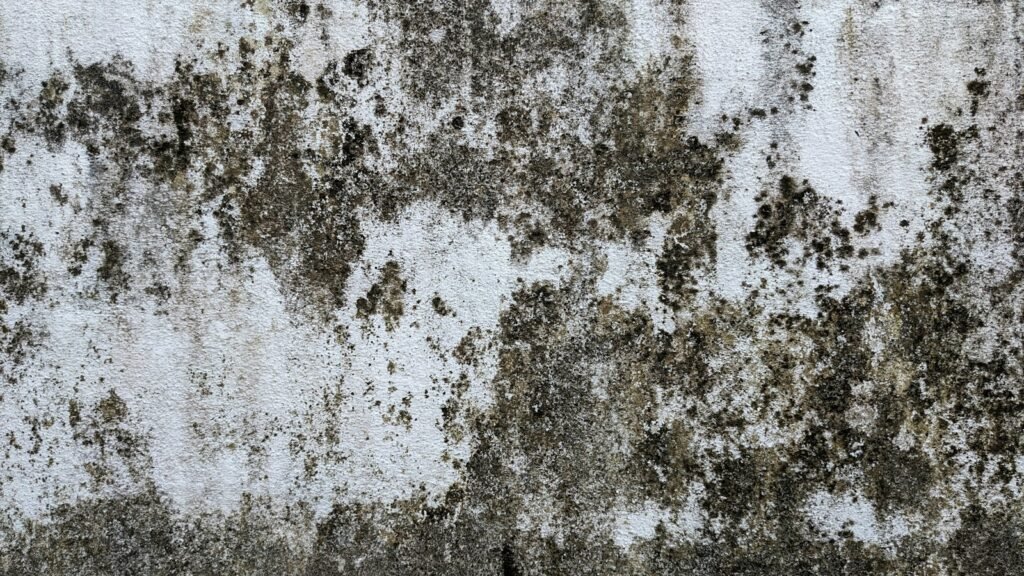
Schedule mold inspection & testing in Morris Plains
Independent testing and reporting — we don’t perform remediation or abatement. Request a visit online with photos, or call or text us.
Book an InspectionHow the inspection works
- Visual inspection and moisture readings
- Air and surface samples where they will answer a question
- Accredited lab analysis and a written report
Qualifications
Inspections and sampling by Korab Ibrahimaj, who performs Prime Environmental's mold assessments. Samples are analyzed by accredited laboratories.
Other testing in Morris Plains
Mold Inspection & Testing nearby in Morris County
Questions about testing in Morris Plains
Do you serve Morris Plains?
Yes. Prime Environmental provides mold inspection & testing in Morris Plains and throughout Morris County. Call (732) 242-1042 or request a visit online.
Will the same company test and remediate?
No. We are an independent testing company and do not perform remediation or abatement, so our findings are free of any conflict of interest.